
On the surface, it looks like good news for Denmark's economy. Latest inflation figures from Statistics Denmark show a sharp drop from May to June this year, from 2.2 percent to 1.8 percent. Core inflation, which doesn't take into account energy and unprocessed food prices, also fell from 1.6 percent to 1.3 percent the past month.
Denmark's wages have increased to the highest in 15 years. This is due to collective bargaining agreements by trade unions and the pace of the labour market, with record high employment.
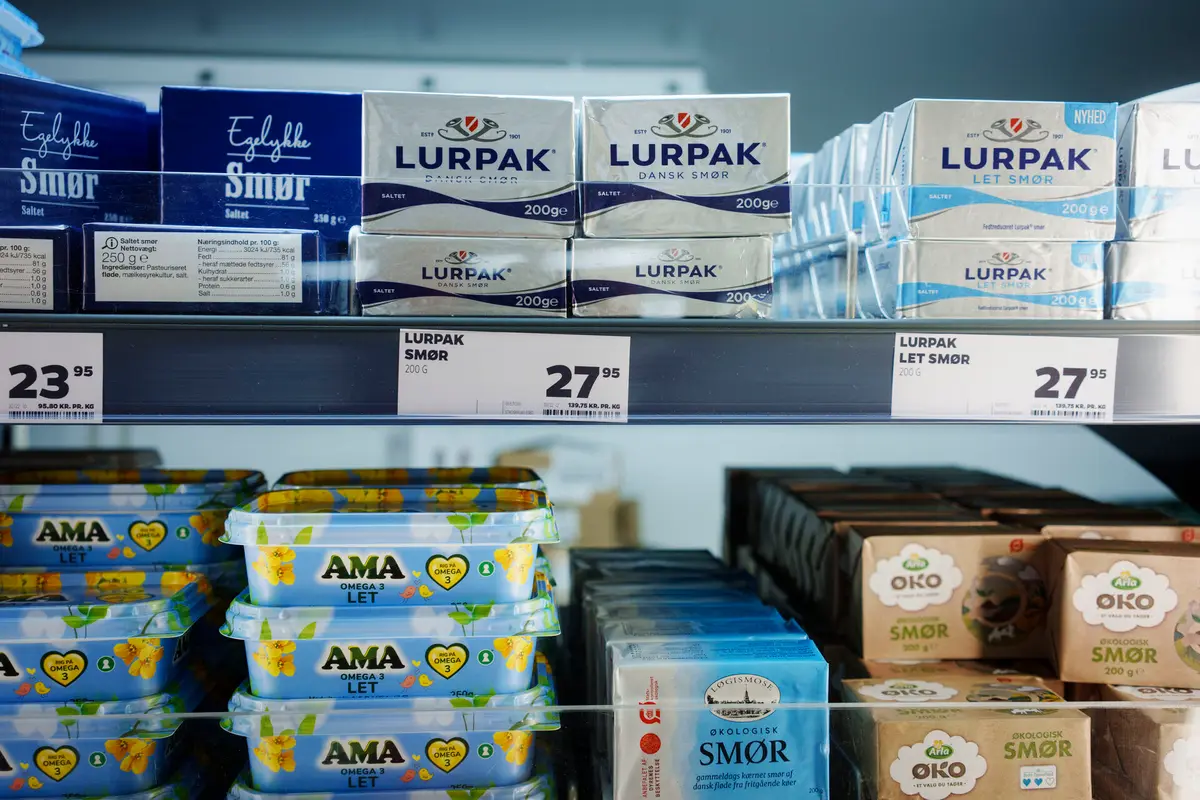
Then there's the reduction in prices of hundreds of food products at Danish supermarkets. The raw material price index returning to normal, along with energy prices, has meant negotiations with suppliers to lower prices to before the inflation crisis, which peaked at more than 10 percent in 2022.
"Inflation has come down significantly and more in Denmark than other countries like Germany, among other things because food inflation has been lower. Also we're seeing that incomes are increasing quite a bit at the moment and for significant parts of the labour market, especially in the private sector, employees are now regaining what they lost," Louise Aggerstrøm Hansen, Chief Analyst at Danske Bank, told The Local.
"Money is stretching further for people, so in that sense, it's a real income gain people are experiencing right now. Buying the same stuff they were buying a year ago is not much cheaper but wages have gone up, so their money is going further, which is very welcomed, especially compared to 2022 when it was the opposite story," Hansen added.
Interest rates however, including on mortgages, have been higher since 2022 compared to previous years, when they were often close to zero. But that is also slowly changing.
The European Central Bank lowered its interest rate in June by 0.25 percent, followed by Danmarks Nationalbank, where the interest rate on lending is now 3.5 percent.
Inflation in the United States has also fallen from 3.3 percent to 3.0 percent between May and June, which the Danish Chamber of Commerce has said could eventually lower interest rates on mortgages in Denmark, if the downward trend continues.
"We have seen a tightening of monetary policies. The Danish central bank has raised interest rates in order to help inflation and it seems so far to have worked without having a massive cost. It means there isn't a fear that we should all of a sudden see such a big increase again," Hansen explained.
Despite the positive figures, it doesn't mean people in Denmark feel free from worry about the cost of living, especially as inflation can continue to fluctuate.
"We still expect to see real incomes going up but we do think some companies will have to pass on higher costs. We expect inflation to level at around 2 percent for a while but don't see any reason why it should go up massively.
"People are being cautious, consumer confidence is still negative but much better than two years ago. Wages are back to where they were before this cost of living crisis but it was still a major shock to people and they are still recovering from that shock," Hansen explained to The Local.
"A flattening is always hard to believe in but now it's been benign in Denmark because the labour market hasn't worsened significantly and incomes are rising and at the same time, despite interest rate increases, house prices haven't fallen too much and now they're rising again. So the things for having sound personal finances, like having a job and a home that keeps its value, that's still there," Hansen said.
Comments