There was a double dose of good news for the Danish economy this week, as new reports revealed that consumer confidence levels are at their highest point since 2006 and youth unemployment is dropping faster in Denmark than anywhere else in Europe.
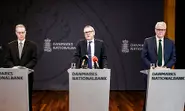
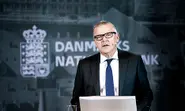
Denmark’s central bank, Nationalbanken, has surprisingly upgraded its expectations for economic growth and revealed that the majority of the pressure on the Danish krone came from domestic investors.
The first drop in consumer prices since 1954 caused worries that Denmark could slip into a recession but February figures show that the price of goods and services are already back up.
There are blue skies ahead for the Danish economy according to the Confederation of Danish Industry, which calls for thousands of new jobs and more money in consumers' pockets.
Dropping oil prices cause Denmark to slip into a recession but economists stress that it is "good news for the Danish economy" and not a sign that the nation is "about to be caught in a vicious deflationary spiral".
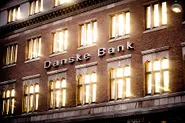
While the Danish economy is "slowly moving in the right direction”, Danske Bank’s Nordic outlook warns that Sweden and Norway's economies are under threat.
The Danish government on Thursday slashed its growth outlook for this year and the next, citing weak eurozone demand for exports and stagnant household spending.
Faced with the fastest growing income inequality in the EU, Bjarne Corydon said that raising taxes on the rich is no solution to closing the gap between the wealthiest and everyone else.
Denmark’s GDP is expected to increase by 1.7 percent in 2015, leading to “continued, albeit fragile and moderate” economy growth according to a new European Commission report.
Industrial production growth and an increase in consumption mean that the economy grew slightly in the second quarter despite initial report to the contrary.
Nationalbanken's growth predictions are significantly less optimistic than previously stated and warn that Denmark could end up on the wrong side of the EU's budget deficit threshold.
After years in decline, sex clubs are making a comeback. The increasing number of people paying to visit swingers club is not only good news for the sexually adventurous, but also for the economy.
Danes are feeling better about the economy than they have since 2007, so does that mean the recession is finally over? The Local spoke to an economics professor to find out.
A new analysis from top economists casts doubts on the government's claims that scrapping the top tax rate would cost the state billions of kroner. On the contrary, the study suggests it would increase the state's bottom line by encouraging more people to pursue high-paying jobs.
Expats looking for a cheap place to live should turn their eyes to Copenhagen's European neighbours. But do the city's high prices keep expats away? The Local spoke with a few to find out.
Beer drinkers had to wait a year for promised savings to materialise, but the lower prices now come at a time when other staples have also dropped in price.
In America things are not only bigger, but better. So says Henrik Fogh Rasmussen, the son of the former Danish prime minister, after 14 years of living in the United States.