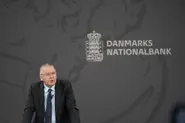
The number of people on the jobs market in Denmark increased in October for the ninth consecutive month, but analysts have raised concerns about the sustainability of labour shortages.
Denmark is to withdraw financial support for businesses impacted by the coronavirus pandemic as the country continues to return to normal conditions following the end of general Covid-19 restrictions.
Denmark's government on Monday struck a 160bn kroner (€22bn) infrastructure agreement with other parties, of which 64bn is going on new roads, and just 3bn on bicycle projects. What is going on?
Denmark's government is to make banks and mortage providers once again build up financial buffers for a financial downturn, while the national bank has called for fiscal tightening. We explain what's going on.
Compensation packages available to all businesses impacted by coronavirus restrictions are to end on July 1st and be replaced by a model focusing on specified sectors.
A major interest organisation for Danish businesses has proposed tax deductions for visiting tourist attractions, temporary reduction of the value-added tax (moms) rate, and millions of kroner in state support to help get the tourism and experience industries in Denmark going after a long shutdown.
Denmark is lagging behind other Scandinavian countries in regard to cushioning the impact of the coronavirus crisis on the national economy, according to analysts.
Denmark’s economy shrank by 6.8 percent in the second quarter of 2020 in comparison with the first quarter, according to revised figures from Statistics Denmark.
The Nordic countries have all seen their economies pushed into record slumps this year, but they are still faring better than most of Europe. How did they do it?
The main aim of the 2021 budget in Denmark will be to get the country’s economy back on track following the coronavirus crisis, finance minister Nicolai Wammen has said.