
Shop around
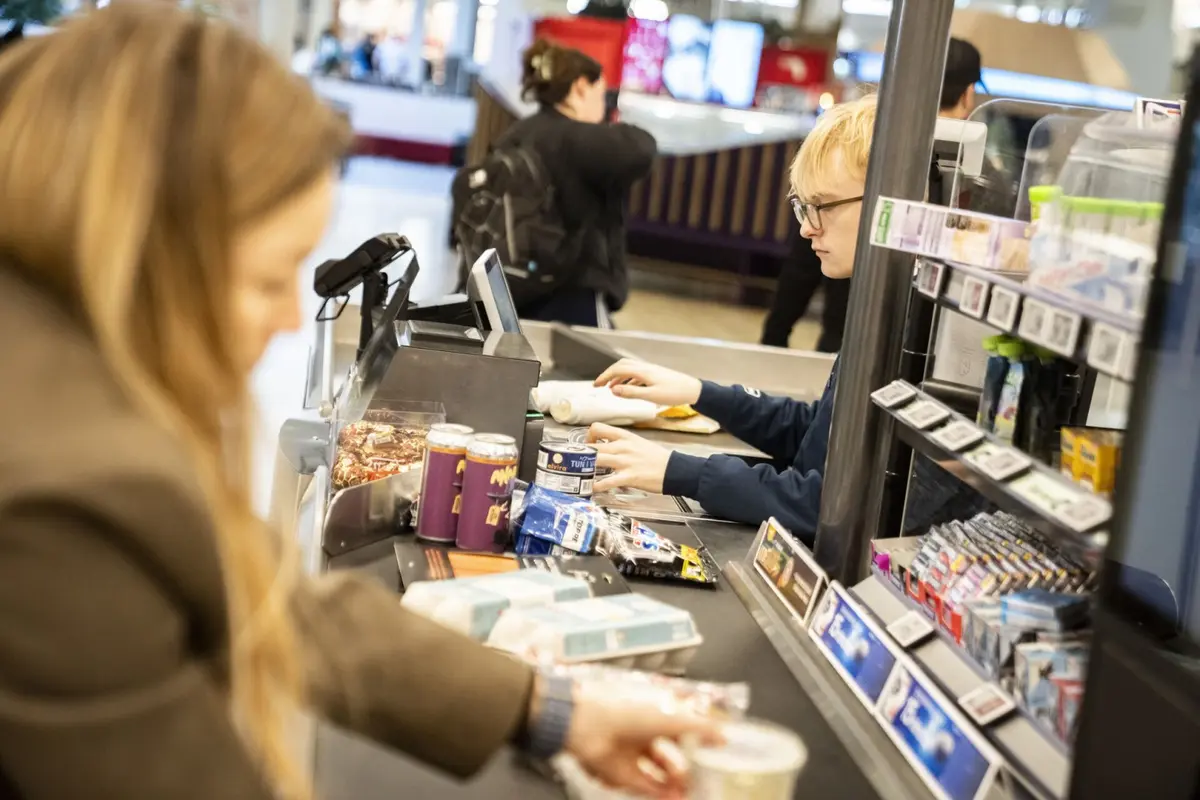
Where do you usually do your food shopping? See if you can save money by switching to a cheaper supermarket.
An investigation by Avisen Danmark in 2025 showed that the country’s cheapest supermarket is Lidl, with fellow discount supermarkets Rema 1000, 365discount and Netto following close behind. Superbrugsen is somewhere in the middle, with Føtex, Meny and Bilka all at the more expensive end of the scale.
Smaller inner-city supermarkets are often more expensive than the larger stores located further out of town. Depending on what you usually buy, you can potentially save hundreds of kroner by shopping around or switching to a cheaper supermarket.
Check for discounts
Have a look for weekly discounts or tilbud – you might get these posted through your letterbox or find them in the back pages of newspapers, but you can also find them online or on your supermarket's app.
You can usually find these by googling the name of the supermarket plus tilbud or tilbudsavis.
Be aware of the temptation to buy things you don't need just because they're on sale ‒ you only save money on offers if you're buying something you would have bought anyway.
Buy in bulk
Danish supermarkets are very homogeneous, and there aren’t really any larger chains specialising in bulk products.
Having said that, you can often save money by buying larger packets of whatever you were planning on buying anyway. Pay attention to the mængdepris (for example price per kilo or price per litre) to make sure it’s actually a good deal.
If you’re looking for things like large bags of rice or oil, your best bet is to look for smaller independent supermarkets which often cater to immigrant groups.
Shop online
If you’re mainly buying groceries online, you’ll be charged for delivery, but may be able to save considerably by planning your meals carefully and doing fewer shops. You might even find this cuts down your spending because you’re less tempted by impulse buys.
Some supermarkets offer the option to do your shopping online and collect it from the supermarket rather than have it delivered, paying a smaller fee, which is a good option if you have a car or can borrow one.
You can also try using online services like Motatos, who combat food waste by selling food that's about to hit its best before date at a low price. These services are also a great option for buying in bulk.
Check for deals when eating out
Cutting down on takeaway coffees is a cliched money-saving tip, but if you prefer not to give up your caffeine hit, make sure you’re using any available loyalty cards or apps, and taking advantage of frequently-offered discounts for bringing your own reusable mug.
Many restaurants and cafes offer lunchtime deals, and you can also download money-saving apps for foodies, such as The Fork, which offers restaurant reviews as well as exclusive discounts, and Too Good To Go, which also allows you to buy surplus food from your favourite cafes and restaurants.
If you fancy a cheap(er) meal out, try Early Bird, which lets you book a table at a restaurant or bar for the same day with a third off the price, to fill up tables which otherwise would have been empty.
Eat seasonally
Denmark’s growing season is quite short compared to other European countries, so out-of-season vegetables can be expensive as they are often grown in greenhouses which need a lot of electric heating and lighting.
This means that you may be better off buying seasonal veggies like kale, cabbage and root vegetables in winter, rather than expensive tomatoes, peppers and courgettes.
A completely free way of eating seasonally is foraging. In spring, you can try heading out into the countryside to see if you can find any ramsløg (wild garlic), skvalderkål (ground elder) or brændenælde (nettles), or keep your eye out for berries and elderflowers in the summer.
Remember: do not forage something unless you’re absolutely sure you know what it is, and only forage the flowers and berries which grow back each year – no digging up plants or roots in a way which will damage the plant.
Take a trip across the border
Denmark’s border countries, Sweden and Germany, have less tax on food and weaker currencies, which can make shopping cheaper if you already live in a border region.
In Malmø there is a discount supermarket, Willy’s, in the Emporia shopping centre in Hyllie, the first train stop in Sweden. You could even consider getting a Costco membership if you regularly buy in bulk.
Bear in mind that you’ll have to pay for the Øresund bridge toll if you’re driving, but with a Brobizz or similar this can end up working out to be quite cheap per trip if you cross over regularly.
Remember that you can only buy alcohol up to 4.5 percent ABV in Swedish supermarkets, and booze is expensive, so it’s probably not worth a border trip just for wine and beer. If you want to buy alcohol anyway, head to Systembolaget. There’s one in Emporia opposite Willy's.
In Germany, head to Flensburg, where there are a number of supermarkets (and even a Scandinavian Park with Nordic groceries) just across the border.

Comments (2)