
Some 15 percent of Denmark is covered in forest. That adds up to around 643,000 hectares – a figure that environmental authorities are seeking to grow.
Centuries-old rules which can be traced all the way back to the 13th-century Jyske Lov allow members of the public to pick berries anywhere, provided you do not trespass onto private ground while doing so. The berries you pick must be for your own use and not for you to sell.
You are also allowed to pick berries from plants growing on private ground, such as hedges on boundaries or behind fences, if you can reach them without trespassing (and without using tools like ladders or pickers).
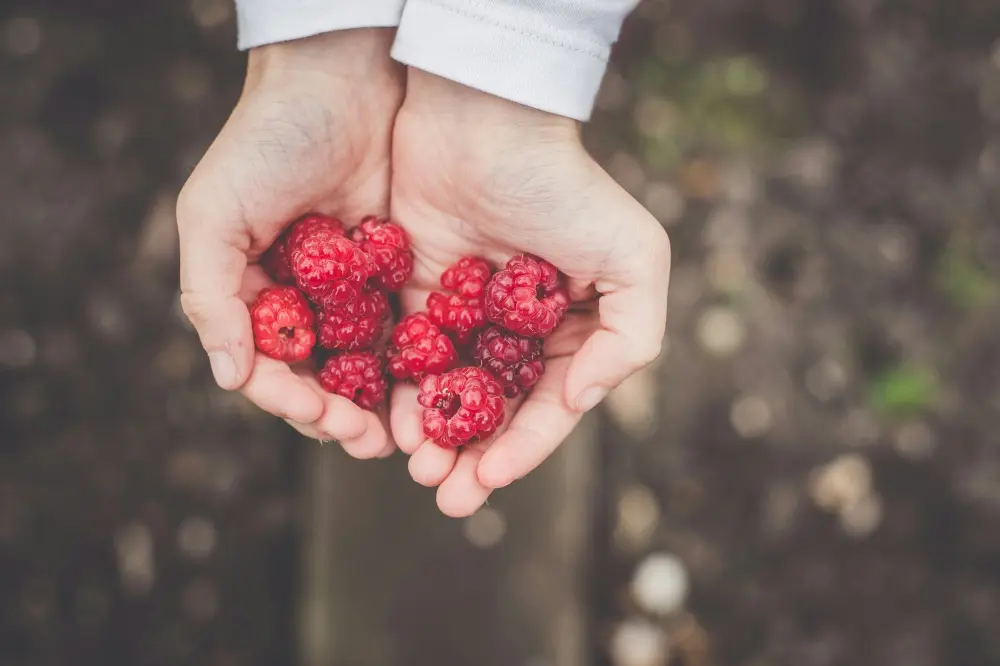
The generally accepted rule is that you can pick as much as you can get “in a hat”. Since the use of a hat as a measuring container has diminished over the years, most people now use a plastic bag or small basket.
READ ALSO: Why you can pick fruit for free in Copenhagen
It is also considered to be good ‘picking-practice’ to leave at least a third of the berries on a plant for others, and not to strip it bare. You should not prune the plants or snap off branches – just pluck the berries themselves.
A guide to all of Denmark’s natural areas, including an interactive map can be found on the Danish Nature Agency’s website here.
On private land with public access – some forests are privately owned, for example – you are not allowed to fill containers but can pick as many berries as you can eat on the spot.
READ ALSO: How to pick mushrooms in Denmark like you've been doing it all your life
When foraging in Danish forests -- and when spending time in forests in general -- it's important to be aware of ticks (skovflåter), which can be found all over Denmark in forests, meadows, and long grass. Around 15 per cent of ticks in Denmark's forests carry Lyme disease, so it's important to take the right preventative measures.
READ ALSO: What you need to know about ticks in Denmark and how to avoid them
Which berries are on offer?
Raspberries
If you're hoping to harvest some raspberries then make sure to look out for a spot of open space in the forest, as the bushes grow best when in full sunlight. Similar to blueberries, raspberries are ample in mid-July through to August.
Blackberries
The larger the blackberry, the sweeter the taste, so if you're on the hunt for some then make sure to pick out the biggest of the bunch. They grow on thorny bushes and are in season from mid-July to early September.
Lingonberries
Lingonberries are small red berries that are often quite bitter when eaten raw, but when combined with sugar they produce a jam that's popular in Denmark to accompany meat and fish. The berries grow on small bushes in woodlands, primarily in western and northern Jutland, starting from late July through to September.
Other Danish offerings include rosehip and buckthorn, which mostly grow in coastal areas. Bog blueberries (also known as bog bilberries), as well as lingonberries, are more likely to be found on heaths.
It is important to remember when out in the forest to make sure you do not disturb the surrounding nature. If you come across something you are unsure about, make sure to research and confirm what it is before you take it. Other than that, happy foraging!
Comments