
The US presidential election is perhaps the most eagerly anticipated foreign election in Denmark.
Like many other countries, Denmark is affected by US policy on areas ranging from trade to green issues to foreign policy.
A victory for either Donald Trump or Kamala Harris in Tuesday’s election can therefore affect the personal finances of people who live in Denmark – if not to the extent that it matters for Americans.
In an analysis ahead of the election, economics expert with national broadcaster DR, Casper Schrøder, writes that swings in the stock market could be one of the most immediate ways in which the US election result will become tangible in Denmark.
Stock market
“If your savings are invested in shares, the days around the election may bring ups and downs,” Schrøder writes.
Share prices tend to fall if things are uncertain and bounce back somewhat when a result of an election is known.
A result which is slow in coming – which may be the case given the close nature of the current presidential contest – can therefore make prices swing even more as markets get nervous.
In the longer term, the markets are harder to predict but the policies of the present as well as the US Congress – where either a Republican or Democratic majority is possible – will affect them.
While Trump is more likely to reduce taxes and cut regulation than Harris, the Republican candiate’s unpredictable nature may counteract any positive effect this has on share prices, Schrøder writes.
Green energy and pharmaceuticals
Two particular sectors in which you might be likely to have investments as a Danish resident are green energy and pharmaceuticals, specifically Danish company Novo Nordisk which has a large export market in the US.
Harris plans to continue outgoing president Joe Biden's proactive approach to green energy with tax benefits for investments in renewable energy and similar policies. Trump, on the other hand, has vowed to shut down all such programs.
“If Novo Nordisk and its investors were to prefer a president, they would probably lean in terms of policy toward Trump and the Republicans,” Schrøder writes in the DR article.
“Both candidates have broadly promised lower drug prices, but Harris has the more specific plans,” he continues, also noting that Trump was harshly critical of pharmaceutical companies and high prices during his previous term as president but did not succeed in forcing them into change.
Homeowners
The US election can impact anyone with a loan because it affects interest rates, firstly in the US itself but with a global knock-on effect.
“When interest rates change in the US, they often shift globally as well,” Schrøde writes.
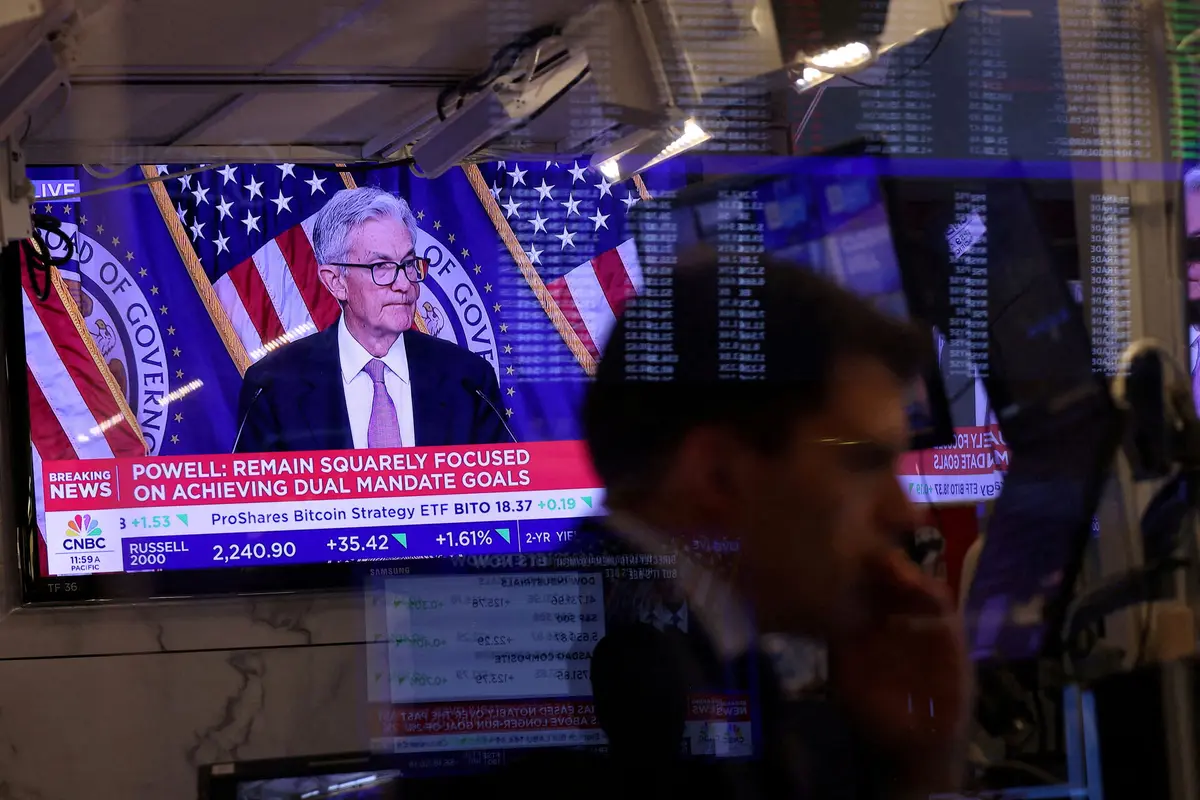
“Although the President of the United States doesn’t set these rates – that is the responsibility of the politically independent Federal Reserve – the election can still have an impact,” he continued.
“Both Trump and Harris have promised significant public spending in their campaign pledges. Should this happen, an influx of funds would stimulate the economy, but could also drive inflation, pushing prices higher. This is where interest rates come into play.
“The Federal Reserve may counter inflation by either raising interest rates or not lowering them as much as originally planned, to slightly slow down the economy,” he explained.
READ ALSO: Why US interest cut could mean lower rates on your Danish mortgage
Jobs
Both candidates have promised to encourage American companies to move factories and production from abroad back to the United States, but Trump can be expected to be the most forceful in this regard.
The Republican candidate frequently threatens tariffs on imports from abroad, which could set off a global trade war and leave Denmark’s economy, which has a significant level of import to the US, in a vulnerable position.
“Few economies in the world are more dependent on the smooth functioning of global trade and worldwide supply chains than Denmark,” Schrøder wrote.
The Confederation of Danish Industry (Dansk Industri, DI) has estimated that, in a worst-case scenario, a trade war could cost Denmark 30,000 jobs compared to a situation without trade conflicts.
“If you lose your job, shifts in stock prices or interest rates on loans hardly matter in the bigger picture,” Schrøder said.
Comments