
A lot of people start to get sick around this time of year, particularly if you have young children, and for non-Danish speakers calling a doctor can be daunting.
Here are some words and phrases that can help you navigate sickness season.
Forkølet | [suffering from a] Cold
There are usually several viruses doing the rounds, but if you've got a mild illness that mainly affects your nose and throat, this is the appropriate term. A difference from English is that Danes use the verb "to be" rather than "to have" when talking about a cold – jeg er forkølet rather than jeg har en forkølelse.
If you want to get more specific, a few pieces of vocabulary that could help describe your symptoms are a tør hoste (a dry cough), hoste med slim (a phlegm-filled cough), hovedpine (headache), and nedsat appetit or manglende sult (a poor appetite/lack of hunger).
But make sure you know the difference between en forkølelse (a cold) and influenza (flu), which is more serious and likely to include additional symptoms such as høj feber (high fever), smerter i muskler (muscle pain), and extreme træthed (fatigue). If this applies to you, the way to tell a doctor or employer is jeg har influenza (I've got the flu).
Example:
Jeg tror, jeg er forkølet. Jeg har ondt i halsen og hoster meget.
I think I've got a cold. I've got a sore throat and am coughing a lot.
Lommetørklæde | A tissue
A very useful word if you're at the snøftende (sniffly) stage of a cold.
You can use the word lommetørklæde (pocket tissue), or the more crude snotpapir (you can probably figure that one out). Many Danes also just say kleenex to mean a tissue.
Example:
Kan du købe en pakke Kleenex?
Can you buy a pack of tissues?
Omgangssyge or Roskildesyge | Winter vomiting virus
The other major illness you're likely to hear a lot about is this one, caused by calciviruses. Sufferers usually experience kvalme (nausea), diarré (diarrhoea), and ondt i maven (stomach pain). Like a cold or flu, it usually doesn't last longer than a few days, but can be miserable when you're affected by it.
if you have actually vomited, you can say jeg har kastet op. The word for vomit is opkast.
Example:
Jeg kan desværre ikke komme på arbejde i dag på grund af omgangssyge.
Unfortunately I can't come to work today due to the winter vomiting virus.
Egen læge | Your personal doctor
Depending on the severity of your symptoms, you may want to see a healthcare professional. The best way to do this is to book an appointment with your doctor or egen læge, whose details should be on your yellow health card (sundhedskort).
Speaking of your yellow health card, don't forget to bring it with you when you go to the doctor or pharmacy – either in card or app form.
If you have a CPR number or an EHIC card from another EU country you're eligible for the same treatment as Danish citizens.
If you don't feel like you need to see a doctor, an alternative is to order something from the apotek (pharmacy), or get a friend to go and pick something up for you – it is not a good idea to visit the apotek yourself if you have symptoms.
Most supermarkets will be able to offer you a small selection of medicines (including throat lozenges and Ibuprofen) without a prescription, this is often called håndkøb and is likely to be located close to the tills.
If you don't have a friend who can pick up supplies for you, consider wearing a mundbind (face mask).
And if you don't feel confident describing your symptoms in Danish, be aware that many doctors will be able to treat you in English – just make sure to ask in advance.
Example:
Jeg vil gerne bestille en tid.
I would like to book an appointment.
Medicin | A medicine
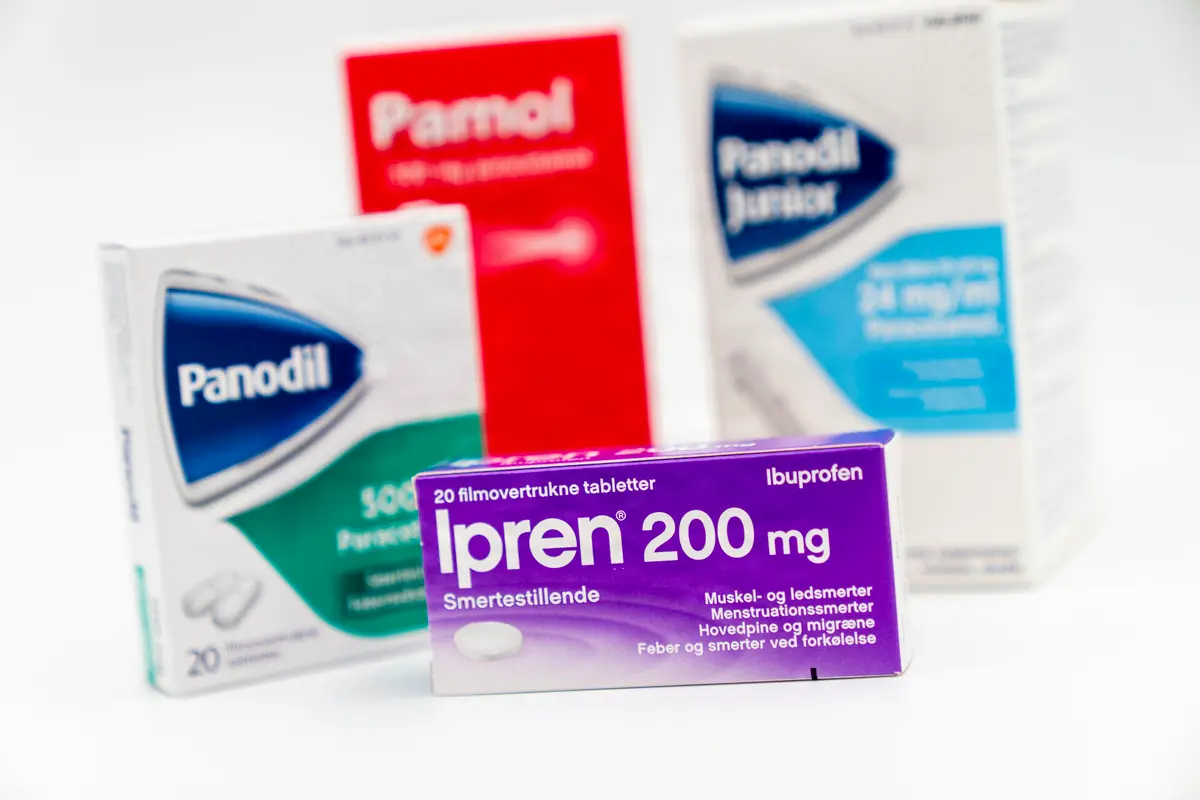
Medicines to treat the flu might include nasal sprays (næsespray), throat lozenges (sugetabletter) or painkillers (smertestillende medicin), to name a few.
If you get a prescription (en recept) from your doctor, this will usually be linked to your CPR number, so that instead of handing over a piece of paper to the pharmacist they can simply look up your prescription.
Example:
Din medicin er klar til at hente.
Your medicine is ready for pick-up.
Smitte | Contagion
A lot of the illnesses that are common during winter are highly contagious, and children starting new school terms and commuters using public transport may be particularly affected. Because of the risk of spreading illnesses further, children are usually expected to be kept out of school or daycare for a full 48 hours after the last symptoms of a stomach bug.
Example:
Du er smittefri
There's no risk of contagion (literally: you are free of contagion)
At hvile | To rest
Just as important as taking the right preventative measures and medicines is allowing you and your body to recover once the sickness or virus has passed. Danes will usually use the verb hvile, rest, when talking about recovering from an illness.
Example:
Du har brug for at hvile dig
You need to rest
God bedring | Get well soon
And finally, a useful phrase to use at the office or when picking up the children from daycare, as the chances are that someone else will be feeling poorly too. You can also say god bedring til ham/hende (hope he/she gets well soon) or til jer (to you plural) if you want whoever you're talking to to pass on the good wishes.
Example:
Hele familien er syg! Åh nej, god bedring til jer
The whole family is sick! Oh no, get well soon
Comments