
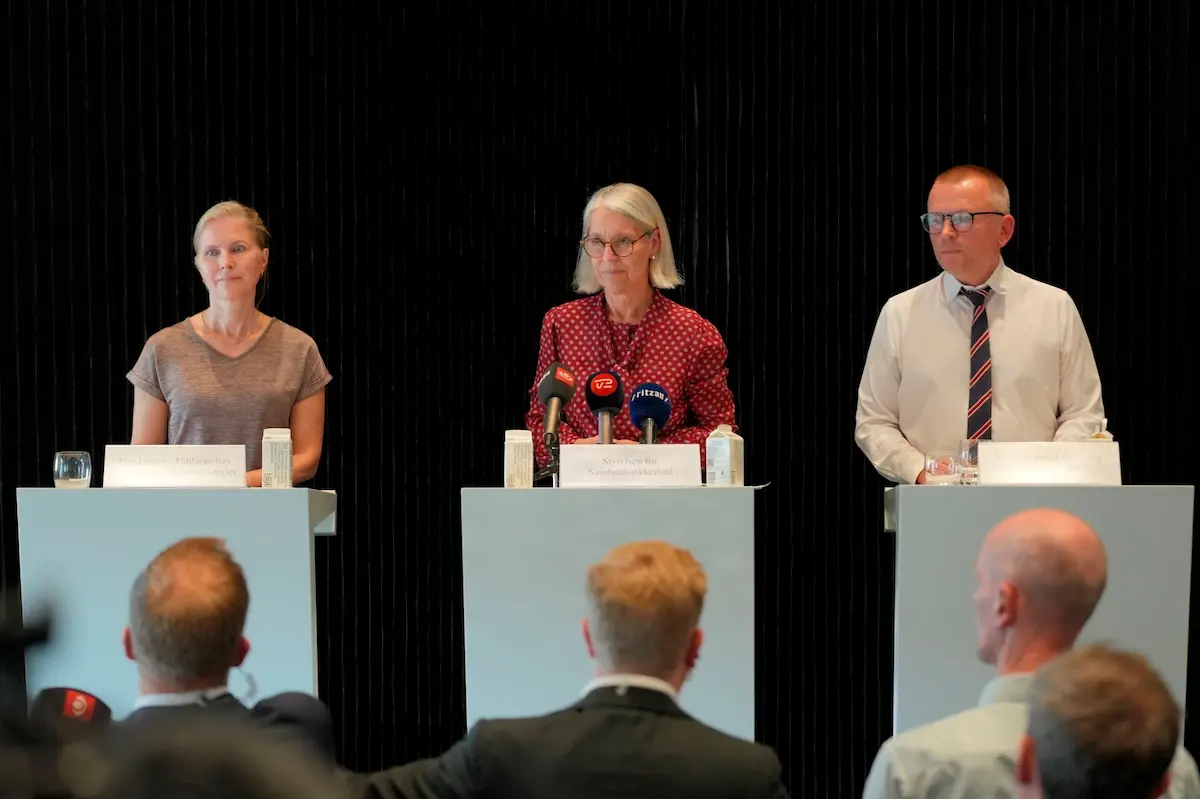
At a press conference on Tuesday, Mikkel Leihardt, head of department at the ministry, said that the amount being invoiced by a small Danish company had raised an alert, revealing that their access to the CPR register had been abused.
"There is a very large amount that was invoiced, which makes you aware that there has been a lot of activity," Leihardt explained, adding that the company, which has not been named, had legal access to the register.
READ ALSO: What you need to know about the national registry hack
Every time, a search is made on the database, those searching pay a small charge and the massive bill the company incurred in September was only, Leihardt admitted discovered, due to a routine invoicing check.
The breach could have gone undetected for at least 30 days until the next invoicing period, if it had not been spotted, as the CPR registry lacks automated alarms for the type of lookup method that was exploited in the hack.
"It is too early to say at this time who is behind it and what modus operandi has been used," Henriette Erbs from the National Unit for Serious Crime, said at the press conference. "In these type of cases, it is often cross-border crime."
Laila Reenberg, director of the Danish Agency for Social Security, added that it was unclear what the hackers intended to use the CPR numbers for.
"We do not know what the data harvesting will be used for, and we do not know who is behind it at this time, but it is clear that it is obvious to think of digital fraud," she said.
After the break was discovered, Leihardt said, the vulnerability was halted, manual monitoring was instituted, and a comprehensive security audit was launched across all critical state IT systems.
Comments