
Government proposes abolishing 'mellemskat' for 619,000 people
The Danish government is planning on abolishing mellemskat, literally 'between tax' from 2027, which would affect around 619,000 people in Denmark.
According to Tax and Growth minister Jakob Engel-Schmidt, those affected would pay around 7,200 kroner less in tax per year.
The government would need the support of the parties in the blue block if the proposal is to be passed successfully.
"The government's ambition is to abolish mellemskat as quickly as possible, preferably together with parties on the right," Engel-Schmidt said.
"So here is a friendly encouragement to some of my right-wing colleagues: We hope they want to join us in taking responsibility, increasing competitiveness and giving over half a million Danes a tax cut which they can actually feel."
He did not go into detail on how the proposal, expected to cost around 2.5 billion kroner, will be financed.
Mellemskat is part of Denmark's income-based tax system, and it consists of a tax of 7.5 percent on any personal income between 641,200 kroner and 777,900 kroner a year. It then goes up to 15 percent (topskat) for income of between 777,900 kroner a year and 2,592,700 kroner a year with anyone earning more than that paying toptopskat of 20 percent.
If mellemskat is cut, the amount saved in tax depends on how much you earn.
"If you pay mellemskat and also pay topskat, then you'll feel the full effect of the abolition of mellemskat," Engel-Schmidt said.
"If your income is only two kroner above mellemskat, you won't get a lot out of it being abolished."
Danish vocabulary: at afskaffe – to abolish
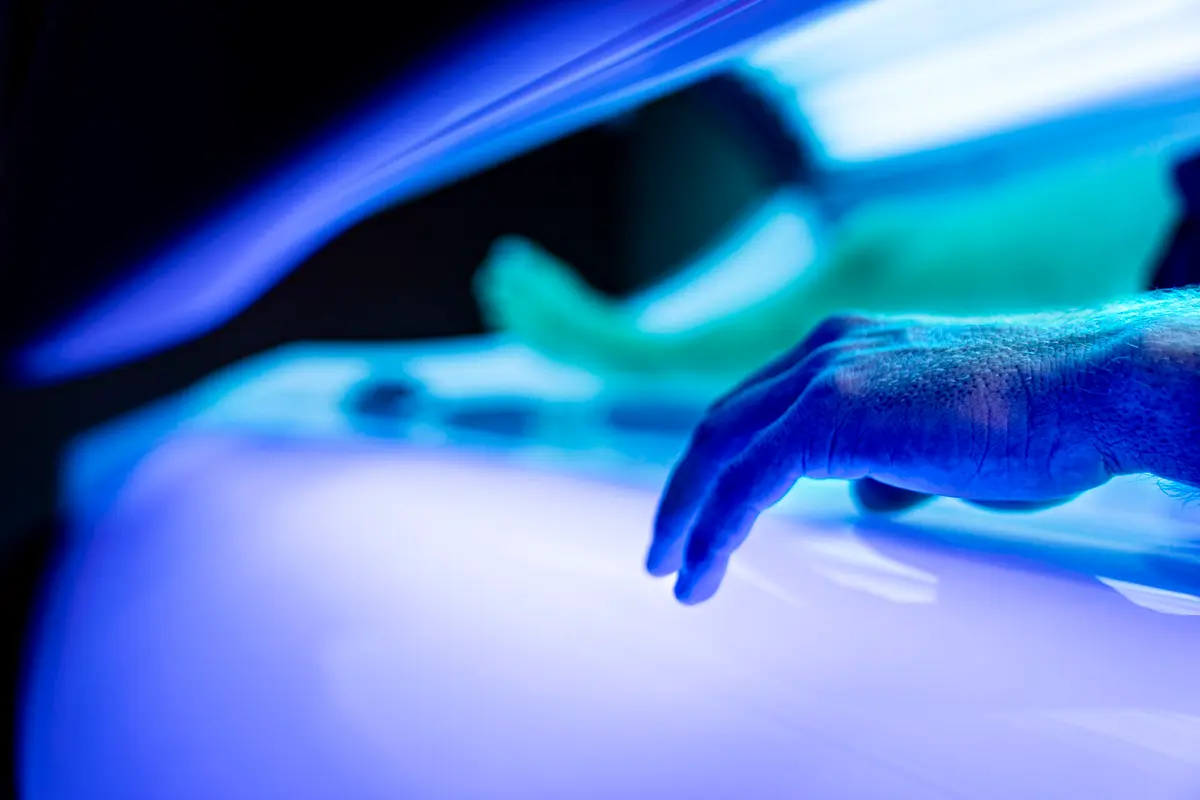
Tanning salons growing in popularity among young Danes
A new survey from cancer research charity Kræftens Bekæmpelse has shown that tanning salons are becoming more popular among young people in Denmark.
Around 14 percent of those surveyed said they had used a tanning salon at least once in the last year, with the number rising to one in five among 15-17 year olds.
Half of 15-25 year olds said it was "modern" to use tanning beds – twice as much as ten years ago.
Using tanning beds increases your risk of skin cancer (malignant melanoma) by 20 percent, with the risk rising to 60 percent if you use a tanning bed before the age of 35.
Among those aged 15-25 who used tanning beds, 72 percent began before they turned 18.
Soon, it will no longer be possible for those under the age of 18 to visit tanning salons. Last year, the government put forward a package of legislation titled Cancer Plan V which among other things bans under-18s from using tanning salons. That is expected to come into force this autumn.
Despite 14 percent of young people using tanning salons, this is still much lower than it has been in the past. In 2008, 40 percent of young people used tanning beds. This year's figure is, however, a slight rise since 2019, when just 10 percent of young people used them.
Danish vocabulary: solarium – tanning salon
19-year-old in hospital with serious injuries following stabbing in Aarhus
A 19-year-old man has been hospitalised with serious injuries after he was stabbed with a knife in Hasle in western Aarhus on Sunday evening, according to local police.
Police were alerted at 8:22pm on Sunday to Rymarken in Hasle, with reports of a stabbing.
"We had a number of patrols out there quickly, but the suspect or suspects had already left the scene," police said in a statement.
Police are now investigating exactly what happened and who is behind it.
Danish vocabulary: stikkeri – stabbing
Temperatures set to reach 20C this week
The weather this week will be mixed with sun, rain and periods of strong winds, according to Danish weather agency DMI.
Temperatures will reach 20 degrees most days, although there will also be clouds and rain, especially in Jutland, on-duty meteorologist Sandra Nygaard from Danish weather agency DMI told the Ritzau news wire.
Wednesday looks to be the best day, with dry weather expected all day. It will, however, be windy.
It also looks like the weather will be dry and sunny on Friday, particularly in the afternoon.
"It will be mixed [this week], some days it would be a good idea to take a raincoat and maybe an umbrella with you when you leave the house," Nygaard said.
Danish vocabulary: blæst – strong winds
With reporting from Ritzau
Comments