
Clothing
Secondhand shopping is huge in Denmark, and you can find everything from discounted designer bags to vinyl records and more at secondhand shops. Try searching for words like genbrugsbutik (second-hand store) or loppemarked (flea market) plus your city.
You can also look on apps such as Sellpy, Vinted and DBA, as well as buy-and-sell Facebook groups in your local area for cheap deals.
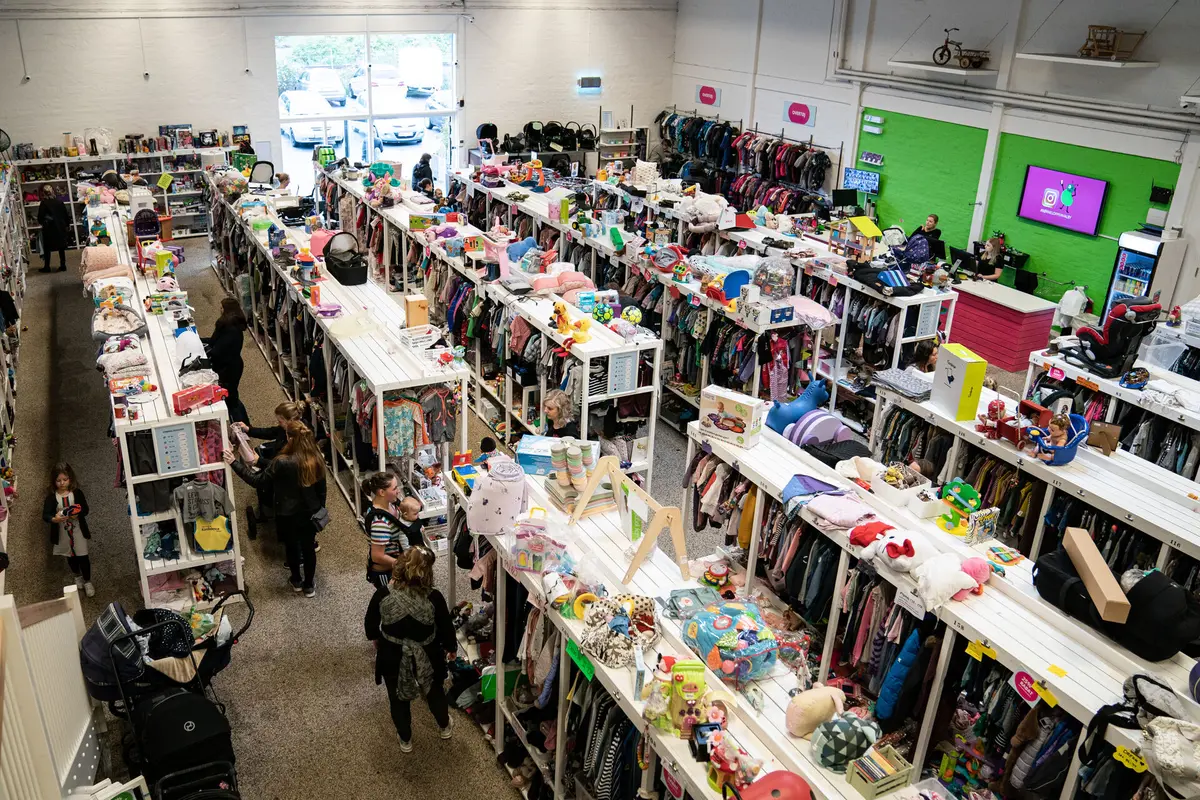
If you have children, look for Børneloppen, which are permanent flea market stores where parents can rent a stand to sell clothes their children have grown out of. Most major cities have a branch so you probably have one close by.
Reshopper is another useful site which focuses on clothing for children and mothers, as well as home goods.
Check out your local library
Libraries are also a great way to save some money - and this doesn't just apply to books.
Although they are obviously an easy way to save money on the latest Scandi crime thriller, many libraries also allow you to borrow DVDs, video games, magazines and newspapers.
You may also be able to loan books digitally, either as audiobooks or as e-books via apps like Libby.
If you want to keep up with the Danish newspapers or the newspapers in your home country, your library may be signed up to the Pressreader service, offering digital editions of many different newspapers worldwide.
Larger libraries also offer free events such as children's activities, book clubs and language cafes.
Rent instead of buy
Planning on doing some DIY? Need a power drill to get through those tough concrete walls in your apartment? Consider renting the tools you need instead of buying them if you only need them for a few days to save you money and storage space.
Many Danish hardware stores will allow you to do this, including Bauhaus, Silvan and Røverkøb. Depending on the tool this often costs from 100-200 kroner per day.
Another option is Hygglo, which matches those looking for specific items with private individuals in their area looking to rent them out for a specific period. Although many use Hygglo for power tools, you can also use it to rent tents, hiking gear, sports equipment and party equipment such as smoke machines or speakers.
You can also use Hygglo as a renter to earn some extra cash, if you have some power tools lying around which you don't often use, but you don't want to get rid of. Hygglo insures both parts - the person renting the tool and the owner - for up to 30,000 kroner, so it's safer than lending your items to strangers on Facebook or Blocket.
Make do and mend
Don't just throw away your jeans as soon as they get a rip or tear, or get rid of your winter boots when they start leaking - see if you can mend them yourself (perhaps with a sewing machine you borrowed from someone on Hygglo?) or take them to a tailor (skrædder) or cobbler (skomager) to see if they can fix them for you.
If you've recently changed weight or have bought a clothing item which doesn't quite fit, you may be able to get your clothes altered by a tailor, too, instead of having to buy a whole new wardrobe or throw items out which you've already spent money on.
It will most likely cost a couple of hundred kroner at most to fix a tear or a hole, much cheaper than buying new!
Shop around and get discounts on the new items you buy
If you want or need to buy something new, compare prices using a site like Prisjagt or Pricerunner, where you can see the cheapest shop to pick up everything from a new laptop to beauty products.
You can also sign up to loyalty cards or membership programmes at your favourite shops. At the same time, you can also sign up to their newsletter to hear about special offers and sales – but sort those emails into a separate folder in your inbox so you aren't tempted to spend every time you get their updates.
Think twice
Finally, this tip isn't Denmark-specific, but it often pays to exercise common sense as much as possible, which means taking time to think about whether you really want to make a purchase, and never buying anything you can't afford. If possible, avoid paying for anything in instalments, as this is usually to the disadvantage of the buyer.
Comments