
Deadly explosions have rocked Iran as well as Lebanon this week as both Israel and Iran unleashed fresh strikes in a war that has displaced hundreds of thousands, ignited the Middle East and threatens to torpedo the world economy.
It seems far from Denmark but since erupting on February 28th with US-Israeli attacks on Iran, the war has cascaded throughout the region, drawn in global powers, and sparked a major oil shock.
Oil dipped under $100 Friday, but remained far above pre-Mideast war levels with no end in sight to disrupted crude supplies, news agency AFP reported.
The war has also affected global markets as it heads towards its third week, with investors increasingly worried about an extended crisis that could fan inflation and hammer the global economy.
"Fears of a burgeoning energy crisis remain front and centre for investors," Joshua Mahony, chief market analyst at Scope Markets, said to AFP.
"Inflationary fears are particularly prevalent with each day that passes,” he also said.
Denmark might be preoccupied with its upcoming general election but is not insulated from the wider effects of the war.
Major central banks, which prior to the war's outbreak were heavily forecast to keep on cutting interest rates, are now widely expected next week to freeze borrowing costs or even hike to keep a lid on inflation.
Top economies have meanwhile agreed to release some of their strategic crude reserves, even as analysts argue that the move does little to address supply blockages because Iran has vowed to attack oil resources in the Middle East and keep the crucial Strait of Hormuz blocked, preventing large amounts of the world’s oil supplies from getting through.
Denmark is one of the countries to so far have taken the latter step of releasing reserves.
On Friday, Danish authorities decided to release 124,600 barrels of oil from the country’s emergency preparedness reserves, acting on a request from the International Energy Agency (IEA).
That came after the IEA asked member countries including Denmark to join a collective agreement to release 400 million tonnes of oil from their emergency stocks.
The Minister for Energy and Critical Supplies, Lars Aagaard, said that Denmark’s – and Europe’s – oil security remains stable.
“Denmark and Europe are not facing a physical shortage,” Aagaard told media including news wire Ritzau on Friday.
The 126,400 barrels released by Denmark comprise 20 percent of the country’s total reserves.
Some 95,000 tonnes of oil are consumed in Denmark per day, according to the Danish Chamber of Commerce.
Nevertheless, the country was one of the first to approve the request from the IEA, Aagaard said.
“My expectation is that other European countries will also support the request, as will the United States, Australia, Canada and other countries that have reserves,” he said.
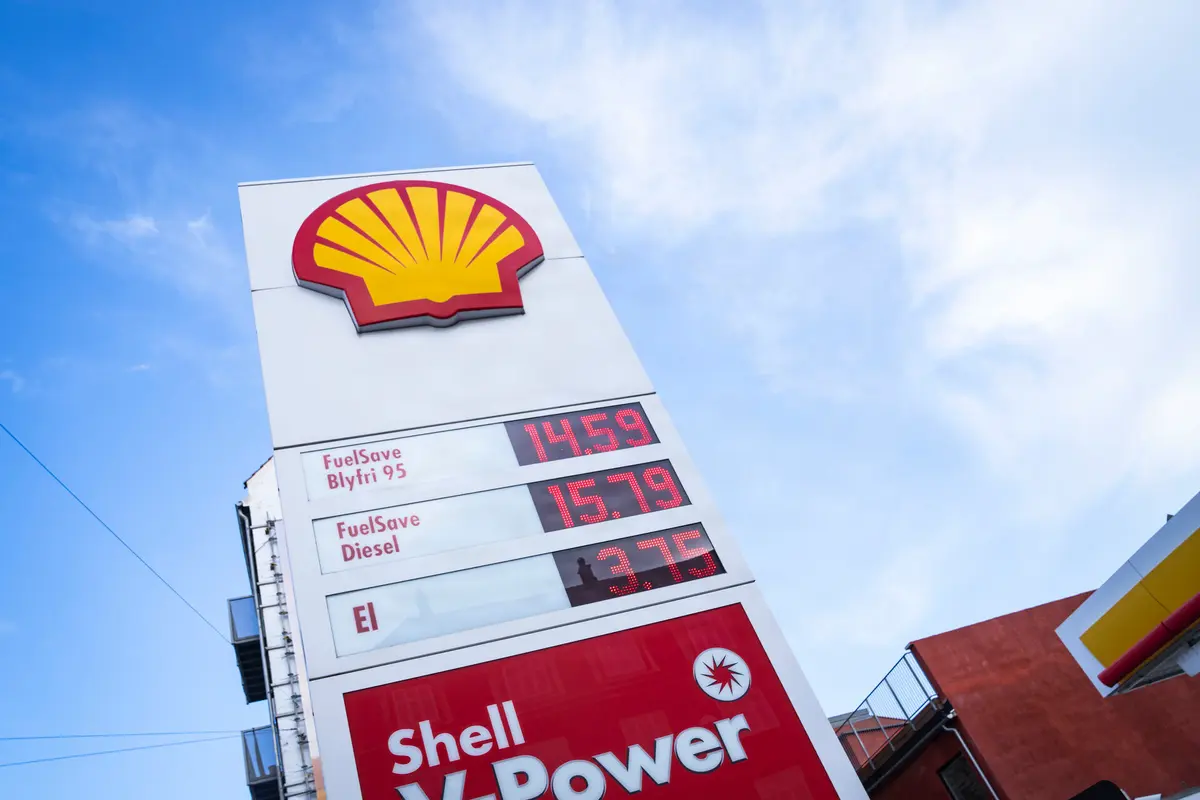
Even as supplies remain stable, the situation has caused prices to rise, including in Denmark, where forecourt fuel prices are noticeably higher.
Danish petrol prices have risen by about one krone over the last ten days, hitting their highest level since Russia's invasion of Ukraine.
“The expectation is that when you release a large amount of oil into the world market, it will have a moderating effect on prices.
“No one can promise this means prices will fall in the near future, but it will stop the worst of any price trend,” Aagaard said.
The oil is set to be gradually released over a 90-day period.
With reporting from AFP.
Comments