
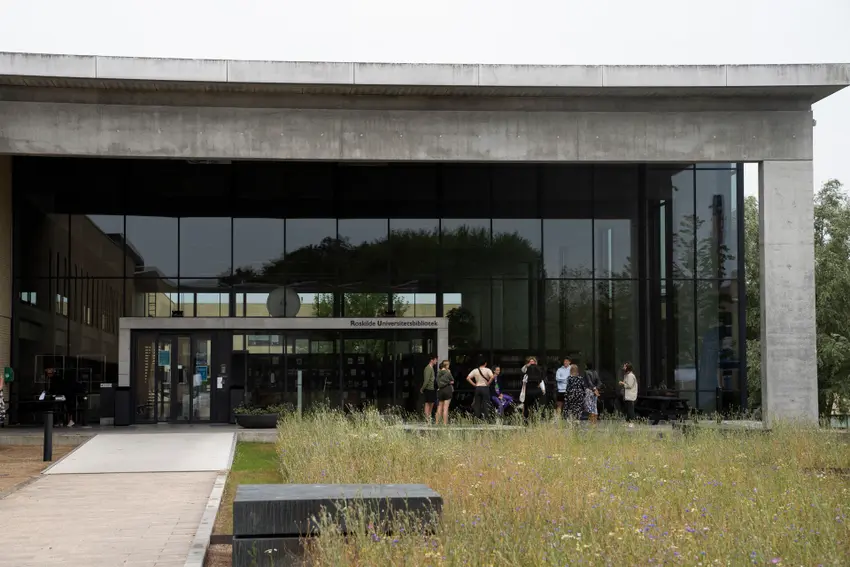
As many as one in six newly admitted master's students at RUC last year came from the South Asian country, conservative-leaning newspaper Berlingske reports based on the university’s admission data.
Some 300 students from Bangladesh were admitted to RUC in 2024, compared to just nine in 2020.
Danish study visas offer a potential route into the labour market for foreign nationals once they complete their studies, albeit via a different pathway than applying directly for a work permit.
EXPLAINED: How to apply for an after studies residence permit in Denmark
The government recently announced plans to reduce the minimum wage threshold on a key work permit scheme.
The decision potentially opens the labour market to a larger number of foreign workers from 16 specific non-EU countries which will be eligible for the scheme. Bangladesh is not one of the 16 countries, however.
Prime Minister Mette Frederiksen has previously suggested that she does not want Denmark to issue a large number of work permits to people from Muslim majority countries, although she appeared to be referring to the Middle East and North Africa regions, rather than South Asia.
“Of course it’s positive that people want to contribute to Denmark, but when it comes to foreign labour, numbers matter, especially those from North Africa and the Middle East,” the prime minister said in parliament in May.
She also said she favoured foreign workers from countries “like-minded” to Denmark.
INTERVIEW: 'There's no need to restrict international labour coming to Denmark'
In its report on the topic, Berlingske writes that it has identified a number of bureaus which assist Bangladeshi nationals who are seeking Danish study permits through acceptance onto a university programme.
Right-wing parties including the Liberal Alliance, Danish People’s Party and Denmark Democrats have called for the government to respond to the trend.
The Ministry of Immigration and Integration introduced earlier this year new rules limiting access to the labour market for people who enter the country on study visas for certain types of ‘unaccredited’ programmes.
These are programmes which do not belong to the Danish higher education system, but for which study permits can still be granted based on assessment of the individual programmes.
Hans Kristian Skibby, an MP from the Denmark Democrats, has called for the same restrictions to now be applied to accredited programmes, which could mean all university degrees.
The Immigration Minister, Kaare Dybvad Bek, told Berlingske that he was aware of the matter, describing it as a “problem.”
Bek said he was “in no way decided against” changing study permit rules for state-approved programmes.
Roskilde University told Berlingske that several Danish universities are seeing increased interest from Bangladeshi students but gave no further comment.
Comments