
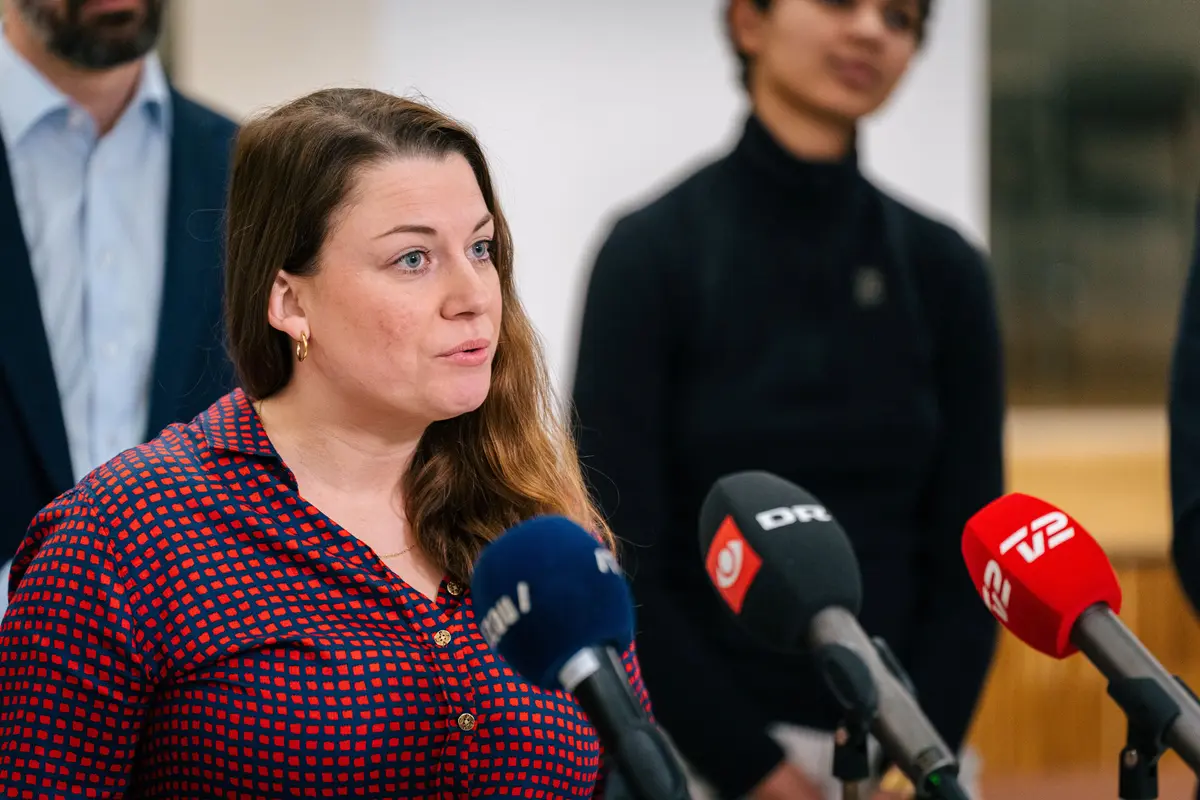
A dispute in the Danish parliament’s Indfødsretsudvalget ("Naturalisation Committee" or Citizenship Committee") has led to one member of the committee stepping down ahead of an unusual move to interview three applicants for citizenship over their personal views.
The member, Helene Brydensholt of the left wing Alternative party, stepped down in protest at the decision to interview three of the thousands of current citizenship applicants over their “democratic mindset”, broadcaster DR reports.
"I am resigning from the Citizenship Committee because a majority of the committee has decided to conduct these interviews, which were scheduled on extremely short notice," she told DR.
"There is no adherence to legal principles, and conventions may potentially be violated,” she said.
Although it is normal for the committee to conduct oversight over the citizenship process, the decision to conduct individual interviews is a break from established procedure.
Unlike systems in many other countries, Danish citizenship can only be granted to foreign nationals through approval by a parliamentary majority. Accepted applications are normally processed in parliament twice yearly.
READ ALSO:
- How to apply for citizenship in Denmark
- How long is left to apply for Danish citizenship before the fee increases?
- Requirements, costs and permits: 6 essential articles for Danish citizenship
It is the Citizenship Committee in parliament which reviews and approves applications for Danish citizenship, which are then granted through a naturalisation bill passed by parliament.
The committee has the mandate of ensuring applicants meet the legal requirements for citizenship, which include residency, language proficiency, and adherence to Danish laws. It also oversees broader discussions on citizenship policy.
It is composed of MPs from various political parties, reflecting their composition in parliament.
Splits within the committee have emerged over the new political initiative requiring selected applicants for Danish citizenship to attend interviews in the committee, newspaper Politiken first reported in November.
One of the three applicants who was invited to a personal interview was summoned after a 2018 social media post surfaced in which he said the Danish parliament should “do something about your homosexuality”, according to Politiken.
In another social media post, he reportedly wrote it was “good to hear” about the death in 2021 of Lars Vilks, a Swedish artist who depicted the prophet Mohammed.
Supporters include Mikkel Bjørn of the far-right Danish People’s Party, who is also chairman of the committee. Bjørn told Politiken that the interview can be used to ask an interviewee “his view on democracy, how long they have been in Denmark, and of course to investigate whether he actually speaks Danish properly”.
Citizenship rules require a certain length of residence and a passed language test, but Bjørn said the latter was “not satisfactory”.
READ ALSO: Danish party wants to ‘profile’ citizenship applicants to ensure ‘democratic values’
But uncertainties have been raised around a number of issues relating to the interviews, including their short notice and a lack of clarity about whether interviewees can bring someone with them and record the conversation, Politiken reported in a further article.
The citizenship spokesperson with the Liberal (Venstre) party, Preben Bang Henriksen, said he had legal concerns about the new procedure of summoning certain applicants for interviews.
“To my knowledge, this system is new. That makes it even more important to ensure it contains no elements that are illegal or legally questionable. I have therefore requested the Ministry of Justice, via the committee, to confirm the legality of the procedure,” he told Politiken.
Henriksen, who is a lawyer, highlighted several issues.
“Is eight days’ notice reasonable? What happens if someone doesn’t attend? What if they can’t attend due to illness? Can applicants be prevented from bringing a companion?”, he said.
The three citizenship applicants who were summoned are scheduled to attend their interviews this week, with clarification on the issue unlikely to be forthcoming before then.
Comments