
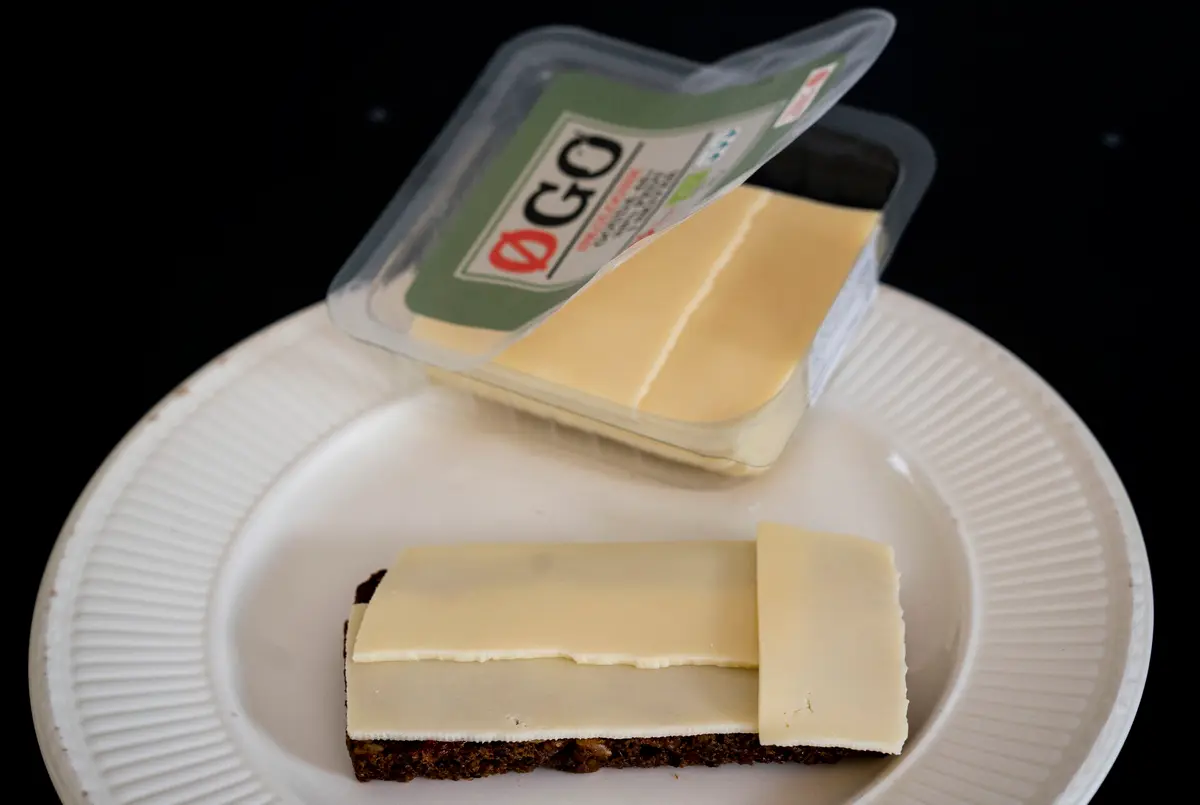
A pilot program providing free school meals is a prominent feature of Denmark’s finalised 2025 budget, which will also see the return of a popular tax deduction.
The budget, confirmed after negotiations with opposition parties based on August’s draft budget, includes a plan to offer free school meals to more than 20,000 students starting in the summer of 2025.
The 2025 finance agreement also reintroduces the håndværkerfradrag, a tax deduction for home improvements which focuses on energy upgrades and climate-proofing.
READ ALSO: Denmark confirms free school meals and return of tax deduction in 2025 budget
Although no particular policy or spending in the budget is aimed specifically at foreign residents in Denmark, many parts of it could have an effect on their daily lives, as well as opportunities in education and private finances.
For families, the budget introduces improved parental leave for those with hospitalised newborns, allocating 5 million kroner in 2025 and 20.9 million kroner annually from 2026. This measure gives additional support to both Danish and foreign parents living in Denmark.
Extended bereavement leave benefits for grieving parents are also included, with 0.9 million kroner in 2025 and 1.6 million kroner annually thereafter.
Another notable social policy increases access to psychological treatment. The budget allocates 30 million kroner annually from next year so that victims of violence, sexual assault, and robbery no longer have to pay towards counselling. The spending will also be targeted at reduced waiting times.
This measure could prove beneficial for individuals new to Denmark who may face additional challenges navigating the public healthcare system.
In education, 144.3 million kroner annually (2025-2028) is allocated to boost STEM subjects at upper secondary schools. This will benefit subjects including physics, chemistry, and biotechnology.
Vocational schools (erhvervsskoler) in provincial areas will receive expanded grants, ensuring wider access to education. A funding program for specialised subjects, such as Greek-Latin and music will also be continued.
Spending of 15 million kroner in 2025 and 20 million kroner in 2026 has been earmarked for dementia care. The aim of this will be improved diagnostic services and reduced waiting times, the government says.
A significant inclusion is the national school meal pilot program. The budget allocates 104 million kroner to the pilot program in 2025, with annual funding of 250 million kroner from 2026 to 2028. The scheme will primarily focus on fully subsidised meals but will also allow for partial parental contributions in certain cases.
Both public schools (folkeskoler) and independent schools (friskoler) will be eligible to apply for the program, the government said, making it relevant for international families seeking accessible and inclusive education options including international schools.
The håndværkerfradrag, a tax deduction for home improvements which focuses on energy upgrades and climate-proofing, returns after previously being scrapped in 2022.
From 2025, 400 million kroner annually will support renovations which meet certain climate criteria. Deduction limits are set at 8,600 kroner for green improvements and 17,500 kroner for general service work, according to the budget agreement.
The deduction is “coming back with a green focus, allowing homeowners to get help with climate-proofing and energy renovations,” Economy Minister Stephanie Lose said.
The home improvement tax benefit can provide foreign residents who own property in Denmark with incentives to invest in sustainable upgrades.
Sources: Ministry of Children and Education, Ministry of Finance
Comments