

The Danish Language test, Prøve i Dansk 3 (PD3), is an official exam by the Ministry of Education and marks the the conclusion of the free language course Danish Language 3, Module 5.
Passing PD3 is required for higher education, certain job positions, and obtaining citizenship in Denmark and reaching this level corresponds to the European Framework for Languages level B2.
If you are a complete beginner, there are five language modules to complete to help you on your way to PD3. These five modules are free for the first five years of living in Denmark for someone aged 18 or over, with a CPR (personal registration) number.
"It requires a lot of work and structured work. You can't just think you're quite good at Danish, I'll turn up and do it. You need to know what's expected of you," private Danish language teacher Daniela Hummelgren told The Local.
"I think the first modules can be good because you get many hours of practicing and repetition and the courses are free. Then the fifth module prepares you for the PD3 exam," Hummelgren explained.
If you complete modules 1 to 5 without a break, it takes around 18 months. This involves at least two class lessons a week with homework. There are tests at the end of each module, preparing you for the way PD3 is tested.
"Preparing for and taking PD3 is one way of learning the language with group classes and it works for some people and it's fine, but it's one solution and it's never one size fits all. Check is this working for me, is this the right thing?" Hummelgren said.
"Say to yourself, OK, this is preparing me for this exam. Denmark needs me to know this but what do I want and can I get it from PD3 or do I need to supplement it? Be aware of what you want to do with the language and supplement it, or take a break and expand on what's being taught at language school.
"Be aware that the whole system is preparing you for the exam and the exam is directed towards being a democratic citizen in Denmark. So the topics will also lead in this direction," Hummelgren told The Local. As part of her language teaching, she helps prepare students for the oral section of PD3.
READ ALSO:
- How much Danish do you need to learn to get a job in Denmark?
- What are the alternatives to the free Danish language classes?
The PD3 exam
The exam involves reading, writing and speaking and takes place twice a year, in November/December and May/June at authorised language centres across Denmark.
Reading Comprehension
The reading exam consists of two sections, lasting 90 minutes.
The first part (Læseforståelse 1) takes 25 minutes and involves quickly finding factual information in texts. The second part (Læseforståelse 2) takes 65 minutes and includes three parts testing your comprehension.
Writing Assignment
There are two tasks which you have two hours and 30 minutes to complete. The first task involves responding to an email, while the second part requires an essay or report on a societal issue.
Oral Exam
One week before the oral test, you are given a topic to prepare a two-minute presentation on. You present this at the exam and answer questions on it. The second part of the oral exam involves discussing an unprepared topic that the examiners will ask you about. It all takes around 10 minutes.
Results
To pass the PD3, you need an average score of at least 2.0, with the oral exam weighted doubly.
If you want to continue studying Danish at Module 6 level (Studieprøven), which is needed if you want to go onto study a course in Danish at university, then you usually need at least a grade 10 in PD3 but it depends on the course and university.
READ ALSO: Five tips that make it easier to learn Danish
Life after PD3
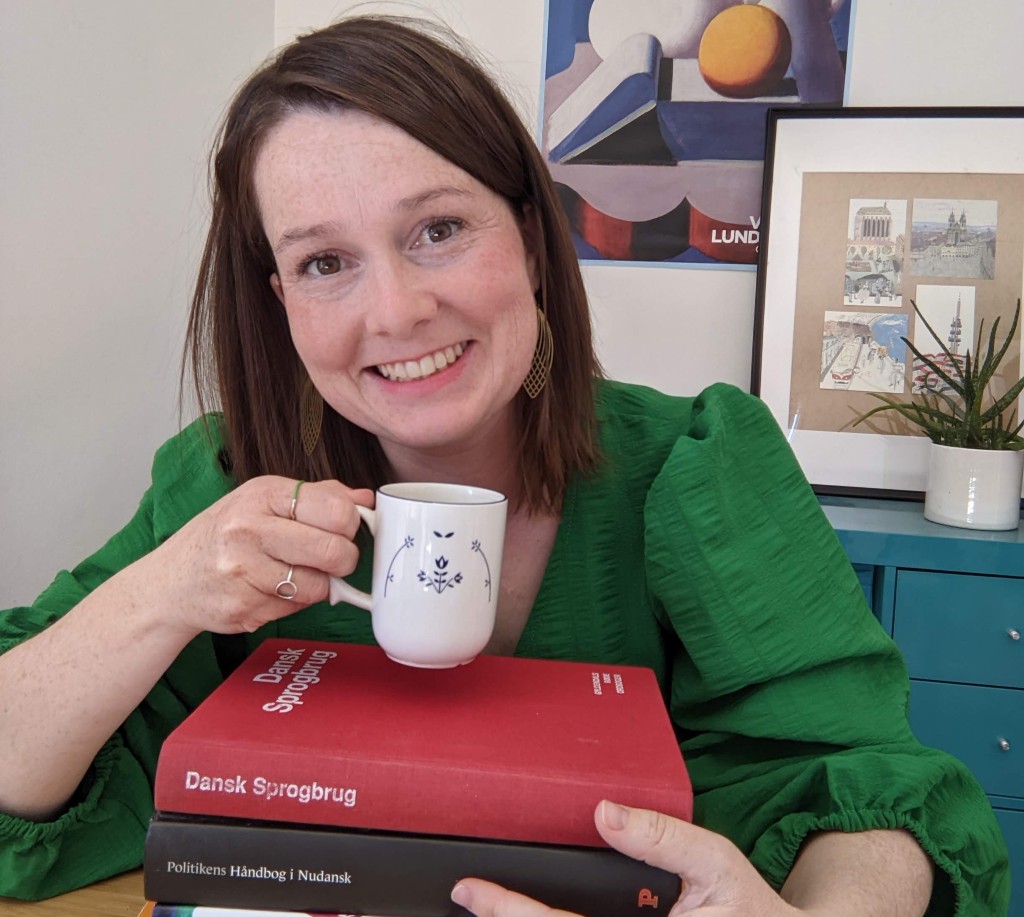
As the PD3 exam involves a big focus on reading and writing Danish, some may find they are still not able to get through their everyday life in Danish after taking the exam. In fact there is currently a review about giving more tailored free language lessons, depending on the attendee's language level and what they need Danish for.
"I find people need help with speaking - bridging what they learnt in language school to the workplace or where they want to use it. They want to grow their vocabulary, improve pronunciation but it's not such a big deal as people think", Hummelgren said.
"It's about language strategies. It's rare that someone's pronunciation is that bad people don't understand you at all. 20 percent of a change makes 80 percent of a difference. So if you make two small changes, your language improves so well."
Hummelgren believes having the right strategy will take you to a language level beyond PD3, that works for you.
"I'm about to open a programme to guide people to do this. Firstly, you pick the right situation to test your Danish and have the vocab you need ready. The supermarket check-out with a queue behind you, is not the place to test your Danish. Don't test it when you're set up for failure.
"If you find a conversation partner, explain what you need from them and take ownership of the situation, asking them to talk slower for example.
"You also have to be prepared for the fact miscommunications happen, even when two people speak the same language. In Danish, the phrase "hvad siger du?" which means "what are you saying? is said a lot.
"I was observing my Danish husband and daughter recently and and she said, "hvad siger du?" and my husband said the same. None of them thought it's because I can't be understood or I'm bad at pronunciation. They just didn't get what the other meant. You need to detach yourself from this and be ready to guide someone how to speak to you. This will set you up for success."
READ MORE:
- Requirements, costs and permits: 6 essential articles for Danish citizenship
- The seven stages of learning Danish every foreigner goes through
Daniela Hummelgren is a private Danish language teacher and coach from the Czech Republic who offers private Danish lessons and programmes at danielahummelgren.dk
Comments