
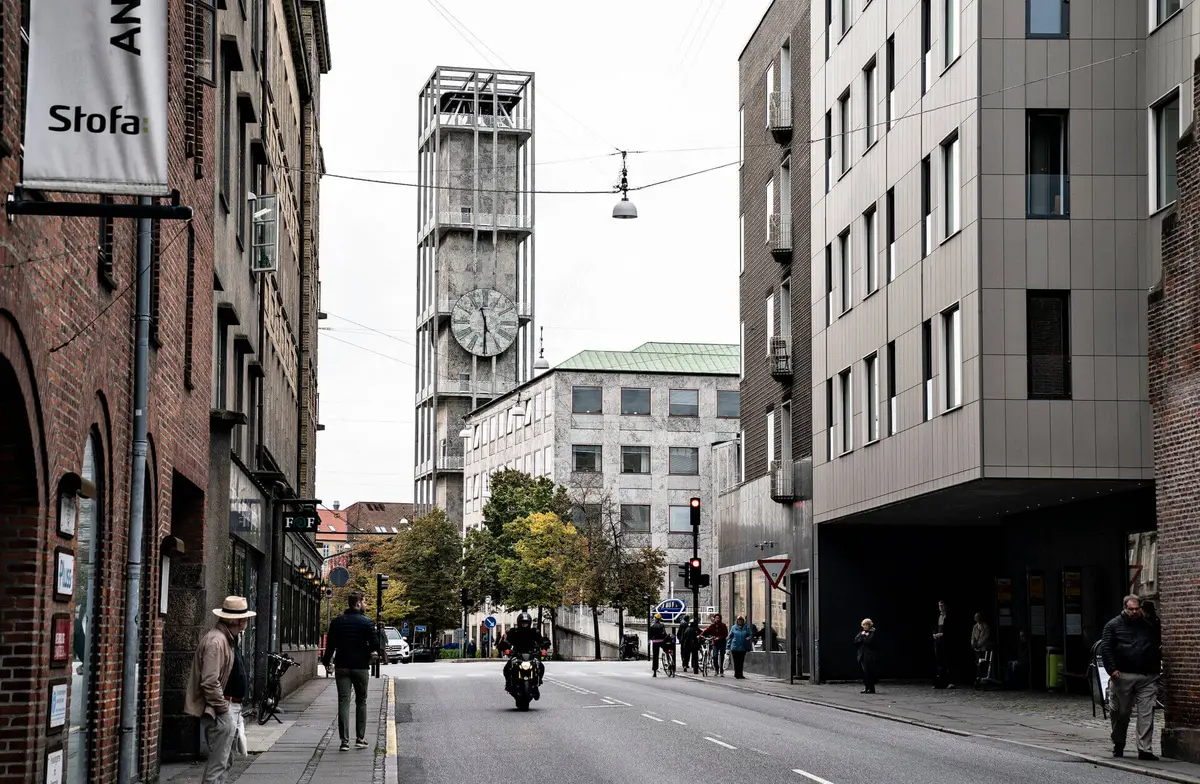
In addition to making roads off-limit to petrol and diesel cars, the city government in Aarhus wants to make a significant investment in existing public transport infrastructure in an ambitious new plan to reduce emissions, broadcaster DR reports.
Bicycle lanes could also be improved under the plan, which was under negotiation for months before being adopted by a majority at the Aarhus Municipality city council last week.
A low-emissions traffic rule could see access to city centre roads limited only to non-fossil fuel cars, although around 250 city-centre parking permits could still be given to petrol and diesel cars.
To bring emissions down by the intended amount, Aarhus residents will need to use public transport for around 50 percent more of their journeys and more will also need to use their bicycle, the municipal agreement states.
City councillor Nicolai Bang of the Conservative party welcomed the agreement in comments to DR.
“We have tried to land on a balance. So if you need to get into the city to buy groceries, you can. But you’d have to park in a multi-storey car park and not on the street,” he said.
The environmental plan for the city shows a central area marked off as a zero-emissions zone, with several large multi-storey car parks just outside its limits.
Denmark’s second city must reduce its emissions by 270,000 tonnes of CO2 a year to qualify as a zero-emissions city.
“This is probably the most ambitious agreement – certainly in Denmark – but probably in all of northern Europe,” Bang said.
Earlier proposals included even further-reaching methods – such as making the main coastal road Kystvejen car-free – which were not in the final version.
Around a quarter of a billion kroner will be spent improving bus lanes and redesigning junctions to allow buses to flow more efficiently through traffic, making them faster and thereby more attractive for passengers.
An additional 50 million kroner per year will add buses on key routes to make them “so frequent that a timetable is superfluous”, DR writes.
Other elements of the deal include increase EV charging stations, and a new line of the Letbane light rail to connect the outlying Brabrand district to the centre of the city.
Some central areas will be given a reduced speed limit of 30 or 40 kilometres per hour.
The zero-emissions central zones would ban petrol and diesel cars not owned by residents. This part of the agreement would need a change in the law and must therefore be approved by parliament.
Comments